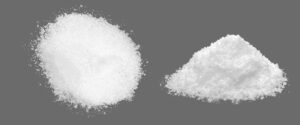


Potassium Citrate is widely used in pharmaceutical formulations as an alkalising agent, potassium source and buffering agent. However, sourcing pharmaceutical-grade Potassium Citrate requires more than simply finding a supplier online.
Pharmaceutical buyers should evaluate the required grade, product specifications, quality documentation, packaging, testing capabilities and supply reliability before selecting a supplier. This checklist explains the key factors to consider when sourcing Potassium Citrate for pharmaceutical manufacturing.
Explore a leading manufacturer of APIs.
With over 10 years of expertise, we ensure GMP compliance and provide reliable, high-quality solutions.
1. Verify the Supplier’s Quality and Regulatory Documentation
Start by reviewing the supplier’s available quality and regulatory documentation.
Depending on your requirements, relevant documents may include:
- GMP documentation
- Quality management certifications
- Manufacturing or drug licences, where applicable
- Product-specific technical documentation
- Other regulatory documents required for your market
Buyers should verify that applicable certificates and licences are current and relevant to the supplied material.
2. Confirm the Required Pharmacopoeial Grade
Before placing an order, identify the exact Potassium Citrate grade required for your formulation and target market.
Common pharmaceutical specifications include:
- IP – Indian Pharmacopoeia
- BP – British Pharmacopoeia
- USP – United States Pharmacopeia
Confirm the required specification with the supplier before requesting samples or commercial quantities.
3. Request the Certificate of Analysis
A Certificate of Analysis (COA) provides important batch-specific information and helps buyers evaluate whether the material complies with the required specification.
Depending on the applicable pharmacopoeial specification, relevant parameters may include:
- Identification
- Assay
- pH
- Water or moisture
- Applicable impurity parameters
- Heavy metals or elemental impurities, where required
- Other specification-specific tests
Buyers should compare the COA against their approved material specification before accepting a batch.
4. Evaluate Packaging and Storage Requirements
Suitable packaging helps protect Potassium Citrate from contamination and environmental exposure during storage and transportation.
Before ordering, confirm:
- Available packaging types
- Pack sizes
- Inner liner or moisture protection
- Batch identification
- Labelling requirements
- Recommended storage conditions
Packaging should be appropriate for the supplied grade, transportation conditions and intended use.
5. Evaluate Export and Shipping Capabilities
International buyers should confirm whether the supplier can support the documentation and logistics required for the destination country.
Important considerations include:
- Export documentation
- Packing and shipping documentation
- Certificate of Origin, where required
- Freight options
- Labelling requirements
- Incoterms
- Customs documentation support
Requirements vary between countries, so buyers should communicate destination-market requirements before ordering.
6. Review Quality-Control Capabilities
Quality-control capabilities are an important consideration when evaluating a Potassium Citrate supplier.
Buyers should understand how the supplier manages:
- Incoming raw material checks
- In-process controls
- Finished-product testing
- Batch release
- Laboratory documentation
- Batch traceability
The testing performed should correspond to the applicable Potassium Citrate specification.
7. Review MOQ, Lead Time and Commercial Terms
Commercial conditions can directly affect production planning and inventory management.
Before finalising an order, confirm:
- Minimum Order Quantity (MOQ)
- Production or dispatch lead time
- Available pack sizes
- Pricing terms
- Payment terms
- Incoterms
- Sample availability
- Expected delivery schedule
Buyers planning regular requirements should also discuss supply continuity and forecast quantities.
8. Check Technical and Documentation Support
A suitable pharmaceutical supplier should be able to respond clearly to technical and documentation requirements.
Depending on your procurement requirements, evaluate the supplier’s ability to provide:
- Product specifications
- COA
- SDS/MSDS
- Technical documentation
- Applicable declarations
- Batch-related information
- Regulatory or quality questionnaires, where applicable
Clear communication can make supplier qualification and procurement more efficient.
9. Identify Supplier Red Flags
Pharmaceutical buyers should investigate further if a potential supplier:
- Cannot provide a product specification or representative COA
- Provides inconsistent information about available grades
- Cannot demonstrate appropriate batch traceability
- Avoids technical or quality-related questions
- Provides unclear manufacturing or supply information
- Offers specifications that do not match the required grade
- Cannot provide required documentation
Price alone should not determine the selection of a pharmaceutical raw-material supplier.
Final Potassium Citrate Supplier Checklist
Before sourcing Potassium Citrate, confirm:
- Required pharmacopoeial grade
- Product specification
- Appropriate quality documentation
- Representative or batch COA
- Quality-control capabilities
- Batch traceability
- Packaging and storage requirements
- MOQ and lead time
- Export documentation, where applicable
- Technical and commercial support
A structured supplier-evaluation process helps pharmaceutical buyers select Potassium Citrate according to their quality, formulation, regulatory and supply requirements.
Sourcing Potassium Citrate from Chemignition Laboratory
Chemignition Laboratory manufactures and supplies pharmaceutical-grade Potassium Citrate for domestic and international requirements.
Potassium Citrate is available in IP, BP and USP grades, with quality documentation and bulk supply options based on customer requirements.
Buyers can contact Chemignition for current specifications, documentation, packaging, samples and commercial requirements.
Request a Sample or Quote
For Potassium Citrate specifications, samples, bulk requirements or quotations:
Email: info@chemignition.com
Website: www.chemignition.com
FAQs
How can I verify if a potassium citrate supplier is genuine?
Request certifications, COAs, past client references, and conduct a facility audit or video inspection.
What grade of potassium citrate is best for pharmaceutical use?
IP, BP, USP, or EP grades are required, depending on your target market’s regulatory standards.
Can I get custom COAs or labeling for my bulk orders?
Yes, Chemignition offers COA customization and private label packaging on request.
What is the minimum order quantity for bulk supply?
MOQs start at 100 kg, with higher discounts on full container loads.
Do you export potassium citrate globally?
Yes. We supply globally with full customs support, freight coordination, and documentation compliance.