
International pharmaceutical procurement requires careful coordination between API suppliers, quality teams, logistics providers and importers. When selecting a Latanoprost API exporter, buyers must evaluate product specifications, documentation, packaging and destination-country requirements.
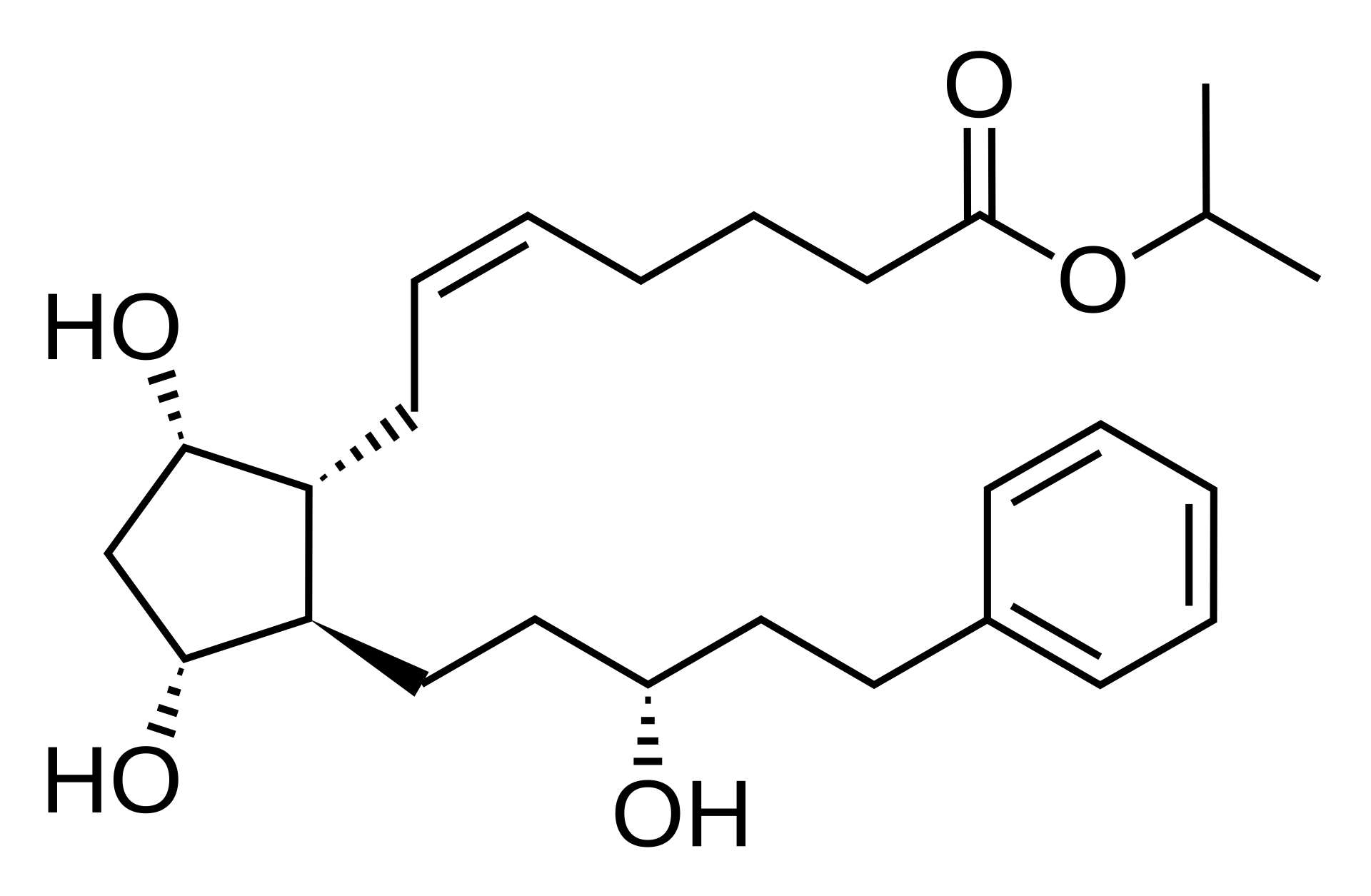
Latanoprost is a synthetic prostaglandin F2α analogue. Pharmaceutical manufacturers use this active pharmaceutical ingredient (API) to develop ophthalmic medicines that reduce elevated intraocular pressure in patients with open-angle glaucoma and ocular hypertension.
For international buyers, successful procurement involves more than identifying a supplier. Quality documentation, shipment conditions and import compliance also influence purchasing decisions.
This guide explains the key considerations for sourcing and importing Latanoprost API from India.
1. Understanding Latanoprost API for International Supply
Latanoprost is a pharmaceutical ingredient used in the development and manufacture of ophthalmic formulations.
It acts as a prodrug. After administration of a finished ophthalmic medicine, enzymes in the cornea convert Latanoprost into its active acid form. This compound increases aqueous humour outflow and helps lower intraocular pressure.
Explore a leading manufacturer of APIs.
With over 10 years of expertise, we ensure GMP compliance and provide reliable, high-quality solutions.
Key Product Information
| Property | Details |
|---|---|
| Product name | Latanoprost |
| CAS number | 130209-82-4 |
| Molecular formula | C₂₆H₄₀O₅ |
| Molecular weight | 432.59 g/mol |
| Chemical class | Prostaglandin F2α analogue |
| Pharmaceutical application | Ophthalmic formulations |
| Common finished dosage form | Ophthalmic solution |
Latanoprost API is a raw pharmaceutical ingredient. It differs from finished Latanoprost eye drops, which require formulation, manufacturing and finished-product quality controls.
For product specifications and enquiries, visit Latanoprost API — Chemignition Laboratory.
2. Role of a Latanoprost API Exporter
A Latanoprost API exporter coordinates the commercial and logistical requirements involved in supplying the ingredient to international pharmaceutical buyers.
Depending on the supply arrangement, the exporter may support several activities.
Product Identification
The exporter helps confirm the requested product name, CAS number, specification and intended application.
Quality Documentation
The exporter coordinates access to relevant product and batch documentation, subject to availability and agreed requirements.
Packaging and Shipment
The exporter arranges or coordinates suitable packaging, shipment preparation and transport documentation.
Commercial Coordination
The exporter communicates order quantities, delivery terms, lead times and shipment arrangements.
Importer Support
International buyers may require additional information for customs clearance, regulatory review or internal supplier qualification.
However, the importing company remains responsible for confirming its applicable legal and regulatory obligations.
3. Quality Requirements for Exporting Latanoprost API
Pharmaceutical buyers should evaluate the quality of Latanoprost API before approving an international purchase.
The relevant acceptance criteria depend on the agreed specification and intended pharmaceutical application.
Identity Testing
Identity testing confirms that the material contains Latanoprost.
Manufacturers use suitable analytical methods to establish the identity of the API.
Assay Determination
Assay testing determines the amount of Latanoprost present in the sample.
Buyers should review the results against the applicable product specification.
Related Substances and Impurities
Impurity testing helps evaluate process-related substances and potential degradation products.
Pharmaceutical manufacturers should assess these results according to their internal quality requirements.
Residual Solvents
Where applicable, residual solvent testing helps assess solvents associated with the manufacturing process.
The required tests and acceptance limits depend on the relevant specification and regulatory framework.
Stability
Buyers should evaluate available stability information and confirm appropriate storage and transportation conditions.
These considerations help maintain material quality during international distribution.
4. Essential Documents for Latanoprost API Export
International API shipments may require quality, commercial, customs and regulatory documentation.
The exact documents depend on the destination country, product classification, transaction and applicable regulations.
Certificate of Analysis (COA)
A COA provides batch-specific test results against the relevant specification.
Buyers should review the reported parameters, acceptance criteria and analytical results.
Product Specification
The product specification defines the agreed quality requirements for the material.
It helps procurement and quality teams determine whether the supplied API meets their intended needs.
Safety Data Sheet (SDS)
The SDS provides information about relevant hazards, safe handling, storage and disposal.
Shipping and warehouse personnel should follow applicable safety procedures.
Commercial Invoice
The commercial invoice identifies the goods, transaction value, seller, buyer and other relevant commercial information.
Customs authorities may use this document during import processing.
Packing List
The packing list provides shipment details such as package quantities, net weight and gross weight.
Transport Documents
Depending on the shipping method, the shipment may require an air waybill, bill of lading or other transport records.
Regulatory and Import Documentation
Certain destinations may require additional declarations, permits, registrations or other regulatory documents.
Importers should confirm the requirements with the relevant authorities and qualified customs or regulatory professionals before shipment.
5. How to Import Latanoprost API From India
International buyers can use a structured procurement process to reduce avoidable delays.
Step 1: Define the Product Requirement
Confirm the product name, CAS number, intended use, required quantity and quality specification.
Step 2: Request Technical Documents
Ask the potential supplier or exporter for the available specification, COA, SDS and other relevant information.
Step 3: Complete Supplier Qualification
Follow your organisation’s quality procedures.
Depending on the intended use and risk assessment, supplier qualification may involve document review, sample evaluation, audits or additional testing.
Step 4: Confirm Import Requirements
Determine whether your destination country requires specific registrations, permits, declarations or other controls.
Requirements may differ between pharmaceutical development, commercial manufacturing and other authorised activities.
Step 5: Agree on Commercial Terms
Confirm pricing, quantity, delivery terms, payment arrangements and expected shipment timing.
Where appropriate, use clearly defined Incoterms to establish transport-related responsibilities.
Step 6: Review Packaging and Shipping Conditions
Confirm the packaging configuration and any stability-supported storage or transport requirements.
Step 7: Arrange Customs Clearance
Coordinate the required shipment documents with the exporter, freight provider and customs representative.
Step 8: Inspect the Received Material
Upon receipt, verify the shipment, packaging integrity, identification details and accompanying documentation.
Release the material for its intended use only after completing the applicable receiving and quality procedures.
6. Packaging and Transportation of Latanoprost API
Suitable packaging and transportation help protect pharmaceutical ingredients during international distribution.
Latanoprost API buyers should consider several factors.
Packaging Compatibility
The container-closure system should suit the material and the intended storage period.
Protection From Environmental Conditions
Temperature, light exposure and other environmental factors may affect the stability of pharmaceutical ingredients.
The supplier should identify the applicable storage and transport conditions using appropriate supporting data.
Shipment Traceability
Package labels and shipment records should provide the information necessary to identify the supplied material and relevant batch details.
Transportation Planning
Exporters and importers should coordinate shipment arrangements that maintain the required conditions throughout transportation.
Important: Storage instructions for finished Latanoprost ophthalmic solutions should not automatically determine the handling requirements for bulk Latanoprost API.
7. Common Challenges in International Latanoprost API Procurement
International sourcing may involve technical, regulatory and logistical challenges.
Incomplete Documentation
Missing or inconsistent documentation can delay supplier qualification and customs processing.
Buyers should confirm the required documents before placing an order.
Specification Differences
A supplier’s standard specification may not match every buyer’s internal requirements.
Therefore, buyers should agree on the applicable specification before procurement.
Packaging and Storage Concerns
Inappropriate packaging or transport conditions may affect product quality.
Both parties should confirm the relevant requirements before shipment.
Regulatory Differences
Import requirements vary between countries.
Buyers should avoid assuming that documentation accepted in one market will automatically satisfy another market’s requirements.
Unclear Commercial Terms
Unclear responsibilities for freight, insurance, customs and delivery can create disputes.
Written commercial agreements and appropriate Incoterms help clarify these responsibilities.
8. Selecting a Latanoprost API Exporter in India
Pharmaceutical buyers should evaluate potential exporters using technical and commercial criteria.
Important considerations include:
- Product identity and applicable specifications
- Available quality documentation
- Packaging and storage requirements
- Supplier qualification information
- Export and shipment arrangements
- Communication and documentation support
- Commercial terms and delivery planning
A structured evaluation helps procurement teams make informed decisions.
Buyers should also confirm whether the company acts as the manufacturer, exporter, distributor or another supply-chain participant.
These roles may involve different responsibilities and documentation requirements.
9. Latanoprost API Export Enquiries — Chemignition Laboratory
Chemignition Laboratory supports pharmaceutical businesses seeking product information and commercial enquiries for Latanoprost API.
International buyers can enquire about applicable product specifications, available documentation, packaging options and supply arrangements.
Before placing an order, buyers should confirm the requirements for their intended pharmaceutical application and destination market.
For more information, explore the Latanoprost API product page at Chemignition Laboratory.
Conclusion
Selecting a suitable Latanoprost API exporter requires careful attention to quality specifications, documentation, packaging, shipment arrangements and import regulations.
International pharmaceutical buyers should establish clear technical and commercial requirements before procurement.
A structured approach helps reduce documentation gaps, improve supply coordination and support appropriate material evaluation.
For Latanoprost API product information and international supply enquiries, visit Chemignition Laboratory.
FAQs
What purity level does Chemignition Laboratory provide for Latanoprost API?
Chemignition Laboratory ensures that Latanoprost API has a purity of 99%+, making it suitable for pharmaceutical formulations.
What does a Latanoprost API exporter do?
A Latanoprost API exporter coordinates international supply arrangements, which may include commercial documentation, packaging, shipment planning and communication with buyers.
What is the CAS number of Latanoprost?
The CAS Registry Number of Latanoprost is 130209-82-4.
Which documents are required to export Latanoprost API?
Requirements vary by destination. Common documents may include a commercial invoice, packing list, transport records, COA, SDS and any applicable regulatory or customs documentation.
Why is a COA important for Latanoprost API exports?
A COA provides batch-specific analytical results and helps buyers evaluate the material against its applicable quality specification.
Can pharmaceutical companies import Latanoprost API from India?
Pharmaceutical companies may source Latanoprost API internationally, subject to supplier availability and the applicable import, regulatory and customs requirements.
What packaging should exporters use for Latanoprost API?
Exporters should use packaging that suits the material and the applicable stability-supported storage and transportation requirements.
Is Latanoprost API the same as finished Latanoprost eye drops?
No. Latanoprost API is the raw pharmaceutical ingredient. Finished eye drops contain the API within an appropriately developed and manufactured ophthalmic formulation.
How can international buyers contact Chemignition Laboratory?
Buyers can visit the Chemignition Laboratory Latanoprost API product page to review product information and submit enquiries.